 West Virginia Storage
When Extreme Weather in West Virginia Makes Storage the Smarter Choice
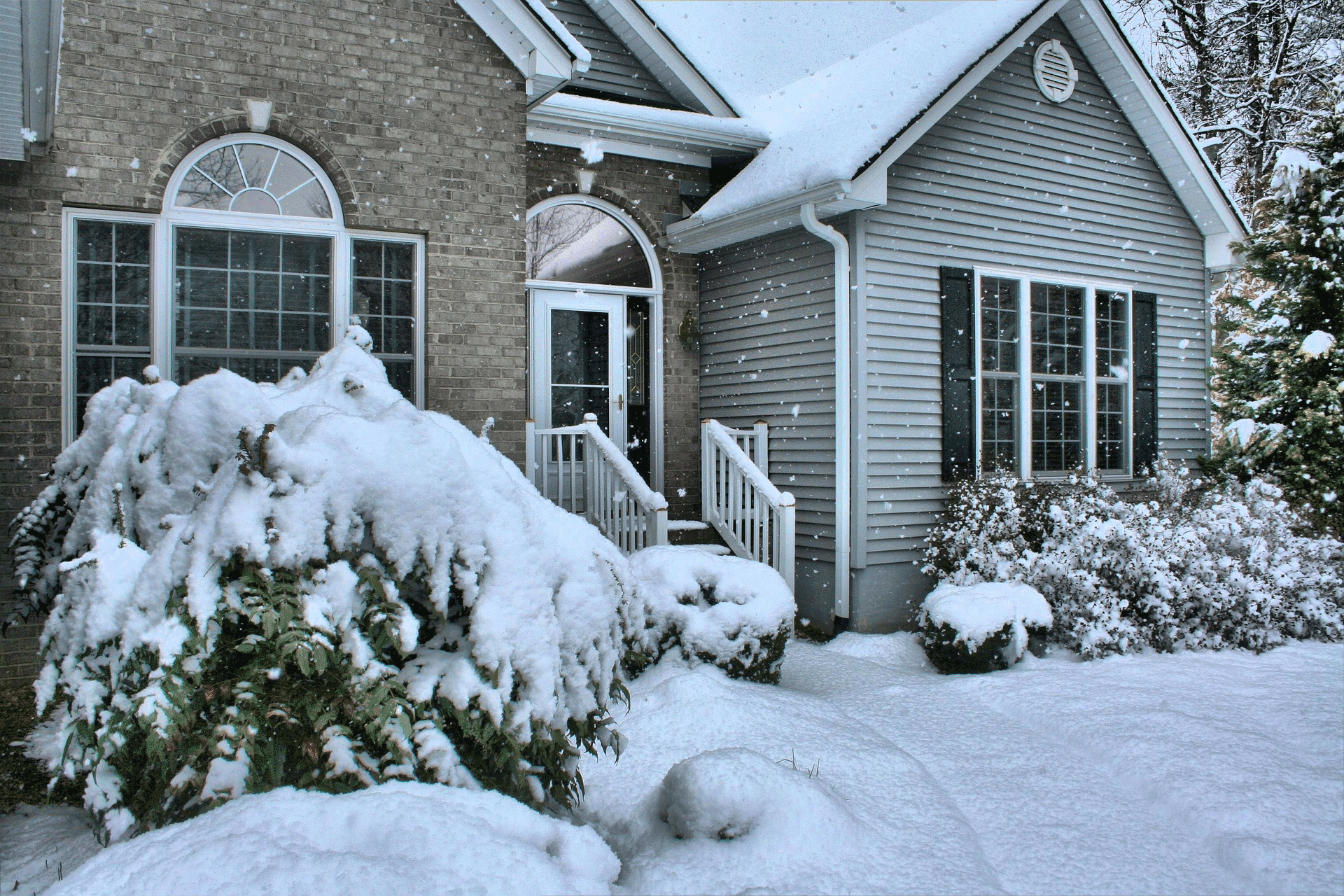
West Virginia experiences significant weather extremes throughout the year, from severe winter cold and heavy snowfall to intense summer heat, high humidity, and frequent flooding. These weather patterns create substantial risks for belongings stored in unheated garages, basements, or outdoor storage areas, making climate-controlled storage essential for protecting valuable possessions. Understanding how West Virginia's weather affects stored items helps residents make informed decisions about when professional storage offers superior protection. SROA Self Storage provides climate-controlled storage solutions across West Virginia, with facilities serving [Charleston](City Support Pages/Content-City/Short Term Storage/West Virginia/Charleston.md), [Huntington](City Support Pages/Content-City/Short Term Storage/West Virginia/Huntington.md), and [Morgantown](City Support Pages/Content-City/Short Term Storage/West Virginia/Morgantown.md).
Extreme Weather Events That Affect Storage in West Virginia
- Severe winter cold
- Extended periods of freezing temperatures
- Sub-zero temperatures that can damage stored items
- Freeze-thaw cycles creating condensation problems
- Heavy snow and ice
- Significant snowfall accumulation
- Ice storms causing structural damage
- Weight of snow compromising storage structures
- Frequent flooding
- Heavy rainfall causing flash flooding
- River flooding in low-lying areas
- Water intrusion in vulnerable locations
- Intense summer heat
- Prolonged periods of high temperatures
- Heat buildup in unventilated storage areas
- High humidity levels during warm months
How Weather Damages Stored Belongings
- Cold and freezing damage
- Extreme cold causes materials to become brittle and crack
- Freezing temperatures damage liquids and electronics
- Condensation forms when cold items warm rapidly
- Freeze-thaw cycles cause expansion and contraction
- Flooding and water damage
- Heavy rainfall causes flooding in low-lying areas
- Water intrusion causes immediate and permanent damage
- Moisture remains even after flooding recedes
- Moisture and humidity problems
- High humidity promotes mold and mildew growth
- Metal items rust and corrode in moist conditions
- Paper products become damaged by moisture exposure
- Climate-controlled storage in West Virginia prevents these issues
Household Items Most Vulnerable to Weather Damage
- Wood furniture
- Warps and cracks in extreme temperature fluctuations
- Develops mold in high humidity summer conditions
- Suffers from expansion and contraction during freeze-thaw cycles
- Electronics and appliances
- Cold temperatures damage batteries and components
- Heat buildup causes component failure
- Humidity leads to corrosion and electrical problems
- Photos, books, and paper records
- High humidity causes paper deterioration and mold
- Temperature fluctuations damage photographs
- Moisture destroys important documents
- Upholstered furniture and mattresses
- Humidity creates mold and mildew growth
- Cold causes materials to become stiff and brittle
- Moisture absorption leads to odors and deterioration
- Clothing and fabrics
- Mold and mildew thrive in humid conditions
- Cold temperatures can damage certain fabrics
- Musty odors develop from moisture exposure
- Musical instruments and collectibles
- Wood instruments warp in temperature fluctuations
- Metal components rust in moist conditions
- Collectibles lose value when weather-damaged
When Climate-Controlled Storage Becomes Necessary
- Extended cold periods
- Winter freezes lasting weeks require temperature protection
- Items stored in unheated areas need climate control
- Long-term storage during cold months benefits from protection
- Flooding risks
- Low-lying areas vulnerable to frequent flooding
- Items that cannot be replaced if damaged by water
- Storage in flood-prone regions
- Extended heat periods
- Summer heat waves lasting multiple weeks
- Items stored in unventilated areas needing protection
- Long-term storage during hot months
- Temperature-sensitive items
- Electronics and appliances needing stable temperatures
- Wood furniture requiring consistent conditions
- Collectibles and antiques needing climate protection
Weather vs Standard Storage in West Virginia
Standard storage may work when:
- Items are durable and weather-resistant
- Storage is short-term during mild weather
- Belongings are stored in elevated, well-protected areas
- Items have minimal replacement value
Climate-controlled storage makes more sense when:
- West Virginia's cold winters, flooding risks, and hot summers are concerns
- Items are sensitive to temperature or moisture
- Storage spans multiple seasons with varying conditions
- Belongings have significant value or importance
Regional Weather Variations Across West Virginia
- Mountain regions
- More severe winter conditions
- Greater temperature variation with elevation
- More snowfall accumulation
- Valley areas
- Slightly milder winters but still cold
- More flooding risk in low-lying regions
- Hotter summers with intense heat
- Central regions
- Moderate conditions but still experiencing extremes
- High humidity common throughout warm months
- Variable weather patterns throughout the year
How SROA Self Storage Protects Belongings Across West Virginia
- Climate-controlled units maintain stable temperatures year-round
- Clean facilities minimize moisture issues and prevent mold
- Secure, elevated storage protects against flooding
- Month-to-month leasing accommodates seasonal storage needs
- Multiple locations throughout West Virginia serve various regions
- Professional management ensures facilities remain weather-resistant
Frequently Asked Questions
Does extreme cold damage items in storage?
Yes, West Virginia's severe winter cold can cause significant damage. Freezing temperatures make materials brittle, damage electronics, and create condensation problems. Climate-controlled storage maintains safe temperature ranges.
When is climate-controlled storage worth it in West Virginia?
Climate-controlled storage is valuable during cold winters, for items sensitive to temperature, in flood-prone areas, or for long-term storage. Furniture, electronics, and collectibles particularly benefit from climate protection.
Can flooding ruin stored belongings?
Yes, frequent flooding in West Virginia can completely destroy stored items. Climate-controlled facilities in elevated locations provide crucial protection from flooding risks.
Is weather damage common in garages or basements?
Yes, garages and basements in West Virginia often experience extreme cold, high humidity, potential flooding, and lack climate control. These conditions make them unsuitable for valuable or sensitive items without protection.
How long can items sit safely without climate control?
Duration depends on item type and weather. During West Virginia's cold winters or humid summers, sensitive items may show damage within weeks. Climate-controlled storage provides protection regardless of duration.
What weather events pose the biggest storage risks in West Virginia?
Severe winter cold, heavy snow, frequent flooding, intense heat, and high humidity are primary concerns. These can cause immediate storm damage or gradual deterioration from temperature and moisture exposure.