 Lifestyle
20 Ways to Repurpose Plastic Containers
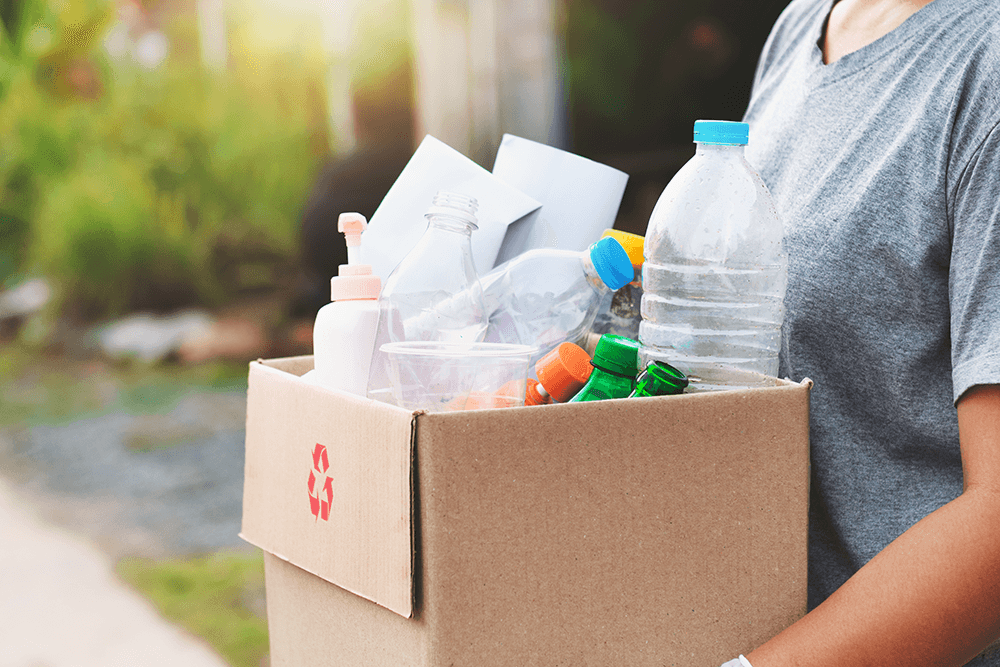
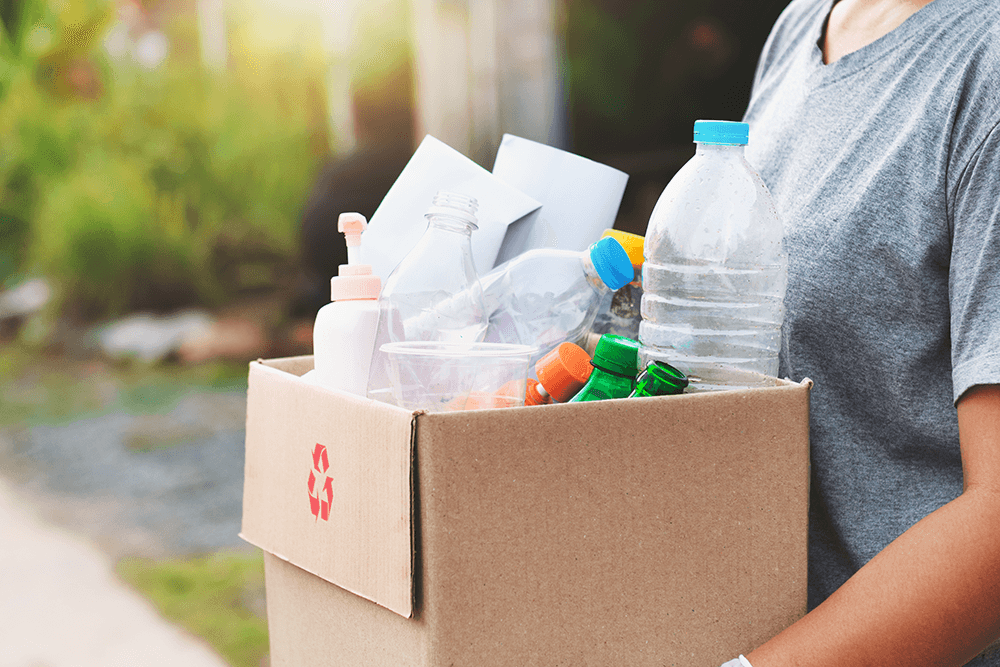
Before tossing an empty container into the recycling bin, consider whether it could be useful somewhere else in your home. Plastic bottles, tubs, jars, and storage containers can be repurposed into planters, organizers, craft supplies, pet accessories, and more.
Repurposing containers will not replace recycling, but it can extend the life of items you already own and reduce the need to buy additional organizers or disposable products. The most important step is choosing the right container for the project.
A container that held food may work well for a planter or hardware organizer. A container that held cleaning chemicals should never be reused for food, pet supplies, children’s toys, or personal-care items.
At a Glance
In this guide, you’ll learn:
- What plastic resin codes mean and why they do not guarantee recyclability
- How to clean and inspect containers before using them
- Twenty ways to repurpose plastic containers around the house
- Which projects work well for storage, gardening, crafts, pets, and travel
- How to avoid common safety problems when cutting, heating, or reusing plastic
Are Plastic Containers Recyclable?
It depends on the type of plastic, the condition of the container, and the rules of your local recycling program.
The number inside the triangle on the bottom of a plastic container is called a resin identification code. It identifies the type of plastic used to make the container, but it does not automatically mean the item is accepted for recycling in your area.
Always check your local recycling guidelines before placing a plastic item in the recycling bin. Containers should generally be empty and free from excessive food residue. Plastic bags, film, foam, and certain types of packaging may require separate drop-off locations rather than curbside collection.
Understanding Plastic Resin Codes
The number inside the triangle on a plastic container is called a resin identification code. It identifies the type of plastic used to make the container, but it does not guarantee that the item is accepted by your local recycling program.
Code 1: PET or PETE
Commonly used for water bottles, drink bottles, and some food containers. PET is lightweight and works well for simple projects such as planters, scoops, and organizers.
Code 2: HDPE
Often found in milk jugs, detergent bottles, and sturdy household containers. HDPE is durable and useful for storage, gardening, and craft projects.
Code 3: PVC
Used in pipes, vinyl products, and some types of packaging. Avoid burning PVC, and use caution when cutting or repurposing it.
Code 4: LDPE
Commonly used for squeeze bottles, plastic bags, and flexible containers. LDPE is flexible, but some products may be difficult to clean or reuse.
Code 5: PP
Found in yogurt containers, food tubs, bottle caps, and other food packaging. PP is often durable enough for household organization, gardening, and food-related projects when the container is clean and designed for reuse.
Code 6: PS
Used in foam cups, disposable packaging, plastic trays, and some food-service products. PS can be brittle and is generally less useful for long-term DIY projects.
Code 7: Other
This category includes specialty plastics and materials that do not fit into the other groups. Because the properties vary, check the original label and use the container only for an appropriate project.
Resin codes can help you identify the type of plastic, but they do not determine whether the item is recyclable in your area. Always check your local recycling guidelines before placing a container in the recycling bin.
How to Prepare Plastic Containers for Repurposing
Before starting any project, inspect the container and clean it thoroughly.
Clean the Container
Wash the container with soap and water to remove food residue, grease, labels, and adhesive. Let it dry completely before adding soil, craft materials, hardware, or other items.
Check for Damage
Do not use containers with sharp cracks, brittle plastic, severe discoloration, or rough edges. Damaged plastic can break unexpectedly or create sharp surfaces.
Smooth Cut Edges
If you cut a container, smooth the edges with sandpaper. For projects involving children or pets, cover sharp edges with sturdy tape or choose a different container.
Avoid Unknown Chemical Containers
Never reuse a container for food, beverages, pet supplies, or children’s items if it held chemicals, pesticides, automotive fluids, or cleaning products. When you are unsure what a container held, use it only for a non-contact project or recycle it according to local guidance.
20 Creative Ways to Repurpose Plastic Containers
1. Make Small Herb Planters
Plastic tubs and containers can become simple planters for herbs such as basil, parsley, mint, and chives. This works well in kitchens, patios, balconies, and windowsills.
How to do it
- Clean the container thoroughly.
- Drill several drainage holes in the bottom.
- Place a tray underneath to catch excess water.
- Add potting soil and compost.
- Choose a location with the right amount of sunlight.
Use containers with a known, food-safe history for herbs or other edible plants.
2. Create Custom Drawer Dividers
Low-sided plastic containers can help separate items inside kitchen, bathroom, office, or bedroom drawers. They work especially well for batteries, makeup, office supplies, hair accessories, and small tools.
Measure the drawer before cutting or arranging the containers. Sand any edges that could snag clothing or scratch the drawer.
3. Organize Kids’ Art Supplies
Plastic containers can keep crayons, markers, beads, stickers, paintbrushes, and craft supplies separated. Clear containers make it easier for children to find what they need without emptying an entire box.
Add labels or decorate the outside with removable stickers. Keep small pieces such as beads and buttons away from young children who may put them in their mouths.
4. Portion Snacks and Lunch Items
Clean, food-safe containers can be used to portion snacks for work, school, travel, or outdoor activities. Small containers work well for fruit, crackers, vegetables, nuts, or other dry snacks.
Use containers designed for food storage when possible. Avoid using containers that are cracked, heavily scratched, or not intended for repeated food contact.
5. Build a Cable Organization System
Small plastic containers can keep charging cords, computer cables, adapters, and earbuds from becoming tangled.
Label each container according to its contents, such as:
- Phone chargers
- Camera accessories
- USB cables
- Computer cords
- Extension adapters
- Gaming accessories
For larger cords, use bigger containers or add dividers to keep cables separated.
6. Make a Pet Food Scoop
A sturdy plastic container can become a simple scoop for dry pet food, birdseed, or garden soil. Choose a container with a comfortable handle or attach one securely.
Smooth every cut edge before use. Do not use a container that held chemicals, household cleaners, or other unsafe substances.
7. Turn Containers Into Plant Pots
Larger plastic tubs, yogurt containers, and food containers can be used as plant pots for flowers, houseplants, seedlings, and small vegetables.
Add drainage holes and place the container on a saucer or tray. If the container will sit outdoors, choose a location where it will not become brittle from prolonged sun exposure.
8. Sort and Store Small Toys
Plastic containers can keep blocks, toy cars, figurines, puzzle pieces, and building materials organized. Transparent containers make cleanup easier because children can see what belongs inside.
Choose containers with secure but easy-to-open lids. Avoid storing small toys in rooms used by toddlers, since small parts can create a choking hazard.
9. Create a Paint Palette
Flat plastic lids and shallow containers can work as temporary paint palettes for craft projects. Use separate sections for different colors and clean the palette before the paint dries.
Avoid using containers that previously held chemicals or anything that may contaminate paint used for children’s projects.
10. Make Seed Starters
Clear plastic containers can act as small propagation trays or mini-greenhouses for starting seeds. Add drainage holes and ventilation openings to prevent excessive moisture.
Place the container in a bright location, but avoid overheating seedlings in direct sunlight. Remove the cover gradually as the plants grow and need more airflow.
11. Create a Simple Bird Feeder
A clean plastic container can be repurposed into a basic bird feeder. Add openings large enough for birds to access the seed and smooth any sharp edges.
Attach the feeder securely and place it away from areas where predators can easily reach it. Clean the feeder regularly to prevent old seed and moisture from building up.
12. Organize Hardware and Small Tools
Plastic containers are useful for sorting screws, nails, washers, bolts, nuts, wall anchors, and other small hardware.
Use clear containers or add large labels so you can identify the contents quickly. Store heavier hardware in sturdy containers with lids that will not pop open when moved.
13. Make Ice or Frozen Treats
Food-safe containers can be used for homemade frozen treats, ice blocks, or portioned ingredients. Make sure the plastic is designed to tolerate freezing and leave room for liquid to expand.
Avoid using thin containers that become brittle in the freezer. Never force frozen contents out with a sharp object that could damage the container.
14. Pack Toiletries or Jewelry for Travel
Small containers can hold jewelry, hair accessories, cotton swabs, travel toiletries, or other small items. Secure lids help prevent spills inside a suitcase.
Use containers that close tightly and label them clearly. Do not store liquids in containers that are cracked, warped, or difficult to clean.
15. Organize Candle-Making Supplies
Plastic containers can keep candle-making supplies organized without using them as molds for hot wax. Store wicks, wick holders, labels, fragrance samples, dyes, and small tools in separate containers.
Regular plastic can melt or deform when exposed to hot wax. Use candle-making molds designed for heat rather than improvising with an ordinary plastic container.
16. Store Sewing Supplies
Small plastic containers are helpful for organizing buttons, thread, needles, pins, zippers, and measuring tools.
Use containers with multiple compartments when possible. Keep sharp sewing tools in a secure location away from children and pets.
17. Store Homemade Sauces and Dressings
Food-safe containers with secure lids can hold homemade sauces, dressings, marinades, and other refrigerated items.
Label each container with the contents and date. Do not continue using containers that have become stained, cracked, cloudy, or difficult to clean.
18. Make a Simple Coin Bank
Turn a sturdy plastic container into a basic coin bank by cutting a slot into the lid. Smooth the opening and secure the lid so coins do not spill out.
This project works well for children, but avoid containers with sharp edges or small detachable pieces. Keep the bank in a stable location so it does not fall when full.
19. Create Bath-Time Scoop Toys
Clean plastic containers can become simple bath-time scoops or pouring toys. Add several small holes so water can drain after use.
Avoid completely sealing containers that may trap water inside. Hidden moisture can lead to mold and unpleasant odors. Dry the toys thoroughly between uses and discard them if they become cracked or difficult to clean.
20. Make Homemade Musical Instruments
Sturdy plastic containers can become simple shakers or maracas. Fill them with a small amount of dry rice, beans, or craft material, then secure the lid permanently.
Check the container before every use. Do not give homemade instruments with loose parts to young children or pets, and avoid materials that could create a choking hazard if the container breaks open.
Tips for Making Repurposed Containers Last
A few simple habits can improve the safety and usefulness of your projects.
- Choose sturdy containers that are not brittle or cracked.
- Avoid prolonged exposure to extreme heat and direct sunlight.
- Clean containers regularly, especially those used for food, pets, or plants.
- Do not use ordinary plastic containers in the microwave unless they are specifically labeled microwave-safe.
- Do not pour hot liquids into containers that are not designed for heat.
- Keep containers away from open flames and high-temperature surfaces.
- Replace containers that become cloudy, damaged, warped, or difficult to clean.
- Label containers when their contents may not be obvious.
- Store small parts away from young children and pets.
Repurposing plastic containers can be a simple way to create useful storage, organize small items, start plants, and reduce unnecessary purchases. The best projects begin with a clean, sturdy container and a clear understanding of what the plastic was designed to hold.